
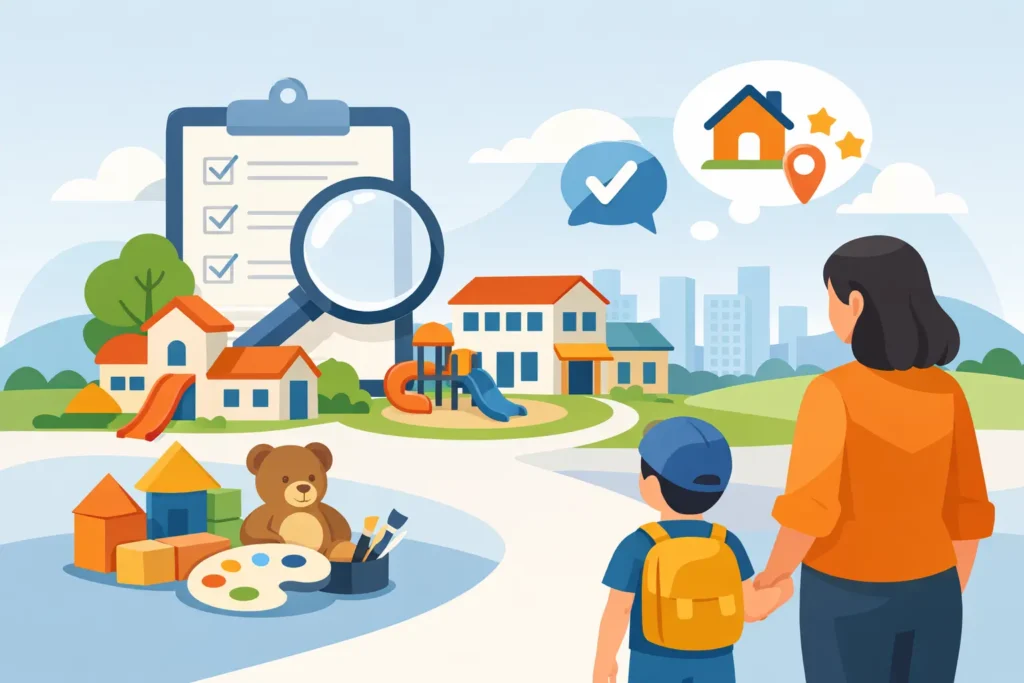
A preschool visit can tell you more than a brochure ever could. Notice whether children are greeted warmly, whether they are free to ask questions, and whether their artwork, books, and projects show real moments of discovery. When parents search for the best preschool in OUG, they are not simply comparing classrooms. They are looking for a safe, joyful place where their child will be known, encouraged, and cared for each day.
For many families, preschool is a child’s first experience of being part of a larger community. It is where they begin learning how to share, express feelings, listen to others, try again after a mistake, and feel proud of what they can do. The right school helps children build these foundations with patience and warmth, while also preparing them for the routines and learning ahead.
What Makes the Best Preschool in OUG?
There is no single answer for every family. A child who is naturally outgoing may need a school that strengthens focus and patience, while a quieter child may thrive with gentle encouragement to speak up and join group activities. Your work schedule, your child’s age, and the support available at home also matter.
Still, the strongest preschool choices usually share one quality: they see children as whole people. Academic readiness matters, but it should grow alongside confidence, language, movement, friendships, creativity, and good character. Young children learn best when they feel secure enough to explore.
A nurturing preschool does not rush children through worksheets to create the appearance of progress. It gives them meaningful reasons to use new words, numbers, and ideas. Counting ingredients while making pizza, building geometric forms, observing water vapor, or testing whether a handmade boat can float can all become memorable learning experiences. These activities help children connect ideas to the real world while keeping their natural curiosity alive.
Look Beyond the Classroom Walls
A beautiful classroom is welcome, but parents should also look at how the entire environment supports a child’s day. Are the spaces clean, organized, and designed for little hands? Is there room to read quietly, create freely, play with friends, and rest when needed? Are outdoor areas available for active movement and fresh-air play?
Outdoor activity is not an extra. Running, climbing, balancing, digging, and playing games help children develop coordination, strength, and self-control. These moments also give educators a chance to guide cooperation, turn-taking, and resilience. A child who learns to wait for a turn on the slide or invite a friend into a game is developing skills that matter well beyond preschool.
Ask how the school balances indoor learning with active play. A schedule that includes both gives children opportunities to concentrate, release energy, and return to learning with happier hearts and healthier minds.
Watch How Teachers Speak to Children
The educators make the greatest difference in a preschool experience. During a visit, listen to the tone adults use with children. Do they get down to the child’s level? Do they offer calm guidance when a child is upset? Do they celebrate effort, not only correct answers?
Children need clear boundaries, but they also need adults who understand that big feelings are part of growing up. A caring teacher can help a child name disappointment, repair a friendship, or try a new task without fear of embarrassment. This kind of individual attention supports emotional security and helps children become more confident learners.
It is helpful to ask about teacher experience, staff consistency, and how the school communicates with families. Parents should feel comfortable sharing concerns and hearing honest observations about their child’s progress. Preschool works best when school and home are partners, not separate worlds.
Choose Purposeful Play, Not Busy Time
Play-based learning is sometimes misunderstood as children simply being left to play all day. Thoughtful play-based education is carefully planned. Teachers prepare materials, introduce questions, observe each child’s interests, and guide learning through hands-on experiences.
For example, raising chicks can encourage children to observe carefully, ask questions, and practice gentleness. Baking can introduce measuring, sequencing, vocabulary, and teamwork. Creating art from natural materials can strengthen fine motor skills while allowing children to make choices and express ideas. These experiences give children something meaningful to talk about, draw, write, and remember.
A preschool should also make space for early literacy in ways that feel inviting. Regular story time, songs, conversations, letter sounds, and opportunities to look at books can build a positive relationship with reading. English-led instruction can be especially valuable for families who want their child to gain confidence listening, speaking, and communicating in English before primary school.
The goal is not to make every child read at the same pace. The goal is to help each child develop interest, understanding, and the confidence to keep trying. A child who enjoys books and feels proud to share a story is building a strong foundation for future learning.
Consider the Full Day, Especially for Working Families
For working parents, a preschool must be more than an educational program for a few morning hours. It needs to be a dependable part of family life. Extended child-care support can give families valuable peace of mind when it includes a consistent routine, attentive supervision, nourishing breaks, rest time, and purposeful afternoon activities.
Ask what happens before and after the main class program. Children should not spend long hours merely waiting for pickup. A well-planned extended day may include reading, creative projects, quiet time, free play, and outdoor movement, all under the care of adults who know the children well.
Also ask practical questions about arrival and pickup procedures, security, illness policies, meals or snacks, and how the school handles emergencies. A safe haven is created through daily habits as much as through locked gates. Clear procedures, clean spaces, and watchful staff help parents leave each morning feeling reassured.
Notice How Character Is Taught
Children do not learn kindness only by being told to be kind. They learn it when adults model respect, when teachers help them understand another child’s feelings, and when they practice caring for shared materials, living things, and one another.
Look for a preschool that treats character education as part of everyday life. Simple routines such as greeting friends, cleaning up after an activity, saying sorry with sincerity, and helping a younger child can shape a child’s sense of responsibility. These small moments build empathy and self-respect.
At Summer Tots, learning is designed to support more than school readiness. Children are encouraged through interactive projects, reading, outdoor play, practical experiences, and caring guidance that supports their academic, social, emotional, and physical growth.
Give Your Child Time to Settle In
Even a wonderful preschool may feel unfamiliar at first. Some children walk in confidently on day one, while others need extra time, hugs, and reassurance. This does not mean the school is a poor fit. It means your child is adjusting to a new rhythm.
Ask how teachers support settling in and how they respond when children miss home. A gentle transition plan, regular parent communication, and familiar routines can make a meaningful difference. Avoid comparing your child’s adjustment to another child’s. Every child has a different pace.
When you find a preschool where your child is safe, seen, and excited to return, you are giving them more than an early start in education. You are giving them a caring community where confidence can grow, curiosity can flourish, and each small step forward is celebrated.