
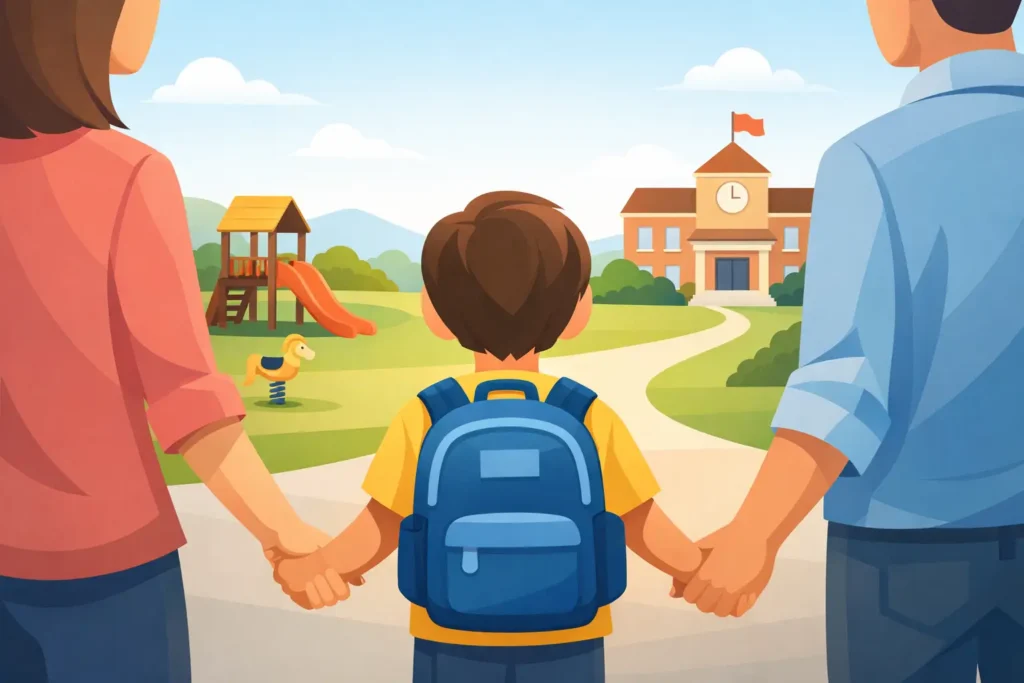
A child can know letters, count confidently, and still need more time before the bigger routines of primary school feel right. When parents ask, “should you send your 6 years old child to primary school?” they are rarely asking about age alone. They are asking whether their child will feel safe, capable, happy, and ready to grow.
For families in Kuala Lumpur, this decision can feel especially personal. Different schools, programs, and family plans may offer different entry points. While one child may be excited by a new classroom and wider circle of friends, another may flourish with another year of gentle guidance, play, and confidence-building. There is no prize for rushing a childhood milestone. The best choice is the one that supports your child’s whole development.
Should You Send Your 6-Year-Old to Primary School?
The answer depends on your child, the school they may attend, and the support available at home and in the classroom. A birthday does not automatically tell you whether a child is ready for a more formal school environment.
Primary school often asks children to manage longer days, follow group instructions, move between activities, communicate their needs, and cope when something feels difficult. Early reading and number skills are helpful, but they are only one part of readiness. A child who can ask for help, take turns, recover from disappointment, and join a group with growing confidence has valuable foundations for school.
It also helps to consider the school’s expectations. Some primary settings offer a warm transition for young learners, with movement, storytelling, hands-on projects, and patient teachers. Others may move more quickly into desk-based work and independent routines. The right question is not simply, “Can my child keep up?” It is, “Will this environment help my child feel secure enough to participate and learn?”
Look at Readiness Beyond Reading and Writing
Many parents naturally focus on whether their child can recognize words, write their name, or complete worksheets. These skills matter, but they should not carry the whole decision. Children learn best when their happy hearts and healthy minds are cared for alongside their academic progress.
Emotional readiness
A child does not need to be fearless to begin primary school. Feeling nervous about a new place is completely normal. What matters is whether they can gradually settle with support. Can your child separate from you without ongoing distress? Do they usually find comfort in a familiar teacher? Can they name simple feelings, such as sad, worried, excited, or frustrated?
Children who are still developing these skills may benefit from more time in a nurturing kindergarten setting. This is not a sign that they are behind. It can be a thoughtful way to help them build the inner confidence that makes later transitions easier.
Social readiness
School days involve sharing space, listening to others, joining group activities, and solving small disagreements. Notice how your child plays with peers. Do they enjoy being around other children, even if they are quiet at first? Can they wait briefly for a turn, use words when something goes wrong, and accept guidance from an adult?
These skills grow through meaningful play. Building a tower together, preparing pretend meals, caring for a class project, or taking turns during outdoor games all teach children how to cooperate. A child does not need perfect manners or a large group of friends. They need chances to practice kindness, respect, and communication in a supportive setting.
Everyday independence
Primary school can feel much more manageable when children can handle a few everyday tasks with growing independence. This may include opening a lunch container, using the restroom, packing away belongings, following two or three simple instructions, and asking an adult when they need help.
Independence should be encouraged gently, not tested harshly. If your child still needs reminders, that is common at six. You can build confidence through small routines at home: choosing clothes for the next day, helping set the table, putting books back on a shelf, or carrying their own bag for a short walk.
Physical stamina and attention
Think about how your child manages a structured morning or a busy day out. Are they able to sit for a short story, move into an activity, and return their attention after a break? Do they have regular sleep, meals, and active outdoor time that help them stay balanced?
Young children are not meant to sit still for hours. A school that respects movement, play, rest, and practical learning can make a major difference. Activities such as baking, creating shapes, observing water vapor, making floating boats, or caring for living things invite children to focus because they are curious, not because they are pressured.
When Another Year May Be a Loving Choice
Waiting can be a wise option when a child is consistently overwhelmed by long group routines, has difficulty separating from a parent, or is still finding the words to express needs and feelings. It may also be helpful when a child has had a recent family change, health concern, or difficult experience that has affected their sense of security.
Another year should not mean repeating the same experience without purpose. It should be a year of meaningful growth: richer language, stronger friendships, reading readiness, physical play, practical projects, and patient guidance in handling emotions. In the right environment, children can make remarkable progress when they feel known and valued as individuals.
For working parents, dependable extended care is part of this picture too. A long day away from home should still feel warm, predictable, and caring. Children benefit when the adults around them understand their routines, notice their progress, and create calm moments for meals, play, conversation, and rest.
When Starting Primary School May Be the Right Step
Some six-year-olds are ready and eager for a new challenge. They may talk excitedly about learning new things, enjoy group activities, adapt fairly well to routines, and show curiosity about books, numbers, nature, and the world around them. They may not know everything yet, and they do not need to. A child who is comfortable being a beginner is often well prepared to learn.
Starting can also be a good choice when the primary school offers a caring transition and your child has trusted adults who will stay closely connected during the first few months. Readiness is not something a child must carry alone. A responsive teacher, consistent home routine, and encouraging family can make a new school feel possible.
Avoid making the decision based only on comparison. A neighbor’s child may be reading chapter books, while your child may be the one who notices when a friend is lonely, asks wonderful questions, or spends an hour creating an imaginary world. Each strength matters. Children develop at different paces, and early education should protect their love of learning rather than turn it into a race.
Talk With the Adults Who Know Your Child
Parents know their children deeply, but a conversation with experienced early childhood educators can bring another useful perspective. Teachers see how a child approaches learning, manages transitions, interacts with peers, responds to feedback, and grows over time. Ask for specific observations rather than a simple yes-or-no answer.
You might ask which situations bring out your child’s confidence, what support helps them settle after a challenge, and which skills would be valuable to practice before the next school year. If possible, visit the prospective primary school as well. Notice whether the classrooms feel welcoming, whether children have opportunities to move and speak, and whether teachers seem attentive to young learners.
At Summer Tots, we believe school readiness is built through warm relationships and purposeful experiences, not pressure. Children gain confidence when they are invited to explore, read, create, play outdoors, solve problems, and practice kindness every day. Those experiences prepare them not only for a new classroom, but for the many moments of learning that follow.
Help Your Child Feel Ready, Whatever You Choose
Once your family has made a decision, speak about it with calm confidence. If your child will begin primary school, talk through what the morning may look like, practice simple routines, and leave room for their questions. Read stories together, encourage them to share worries, and remind them that asking for help is a brave and sensible thing to do.
If they will spend another year in kindergarten, present it positively. They are not being held back. They are being given time to grow in a place designed for young children – with caring teachers, joyful discovery, friendships, and foundations that will support their next step.
Your child’s path does not need to look exactly like anyone else’s. Choose the setting and timing that let them feel safe enough to be curious, supported enough to try, and proud of who they are becoming.